Research Article
Aim & Scope
The aim of e-JNM is to create a source for academics and scientists who
are doing research in the media, technology and communication that
feature formally well-written quality works. And also create a source
that will contribute and help develop the fields of study. Accordingly,
e-JNM’s intentions are on publishing articles and scientific works which
are guided by a scientific quality sensibility.
ABOUT e-JNM
(e-ISSN: 2548-0200)
Focus and Scope
The aim of e-JNM is to create a source for academics and scientists who are doing research in the media, technology and communication that feature formally well-written quality works. And also create a source that will contribute and help develop the fields of study. Accordingly, e-JNM’s intentions are on publishing articles and scientific works which are guided by a scientific quality sensibility. In this context, e-JNM is qualified as an “international peer-reviewed journal”. It is a peer-reviewed international journal published three times a year.
Peer Review Process
The editorial board peruses the submitted material with regard to both form and content before sending it on to referees. They may also consider the views of the advisory board. After the deliberation of the editorial board, submitted material is sent to two referees. In order for any material to be published, at least two of the referees must approve it. The revision and improvement demanded by the referees must be implemented in order for an article to be published. Authors are informed within three months about the decision regarding the publication of their material. All the papers are controlled academically with the TURNITIN program.
Publisher
İstanbul Aydın University, TURKEY
Open Access Policy
Electronic Journal of New Media (e-JNM) adopted a policy of providing open access.
This is an open access journal which means that all content is freely available without charge to the user or his/her institution. Users are allowed to read, download, copy, distribute, print, search, or link to the full texts of the articles in this journal without asking prior permission from the publisher or the author. This is in accordance with the BOAI definition of open access.
Publication Charge
No publication charge or article processing charge is required. All accepted manuscripts will be published free of cost.
Principles of Research and Publication Ethics
In scientific papers sent to eJNM, the guidelines related to the Scientific Research and Publication Ethics of Higher Education Institutions, the recommendations of the International Committee of Medical Journal Editors and the International Standards for the Authors and Authors of the Committee should be taken into attention. Plagiarism, forgery in the data, misleading, repetition of publications, divisional publication and individuals who do not contribute to the research are among the authors are unacceptable practices within the ethical rules. Legal actions will be taken in case of any ethical irregularity related to this and similar practices.
a)Plagiarism: Placing the original ideas, methods, data, or works of others, partly or completely, without making reference to the scientific rules, is dealt with in the context of plagiarism. In order to avoid plagiarism, the authors should refer to the scientific rules in a manner that is appropriate and should pay attention to the references of all scientific papers in their research.
b)Forgery of Data: The use of data that does not exist or is modified in scientific research is data in the scope of forgery. Authors should analyze their data in accordance with ethical rules and without exposing them to a change in validity and reliability during the process.
c)Detortion: Changing the records or data obtained from the study, showing the devices or materials that are not used in the research as used, changing or shaping the research results according to the interests of the people and organizations that are supported are considered within the scope of distortion. The authors should be honest, objective and transparent in the information they provide in relation to the research process. They should avoid violating the rules of ethics.
d)Repetition: Presenting the same publication as separate publications without referring to the previous publications is considered within the scope of repetition of publications. The responsibility for the publication of the publications submitted for evaluation in another place or in the evaluation process belongs to the authors. The authors should refrain from repeating the original and original research and they should pay attention to submit their original and original research.
e)Divisional Publication: The results of a research are discussed in the scope of dissemination and disseminating the results of the research in a way that disrupts the integrity of the research and disseminating it in more than one way, and publishing these publications as separate publications. The authors should consider the integrity of the research and avoid the divisions that will affect the results.
f)Authorship: The inclusion of people who do not contribute to the research or not to include the people who have contributed is considered within the scope of unfair writing. All authors should have contributed sufficiently to the planning, design, data collection, analysis, evaluation, preparation of the research and finalization of the research.
Publication Ethics
e-JNM requires all authors to adhere to the ethical standards as prescribed by the Committee on Publication Ethics (COPE) which take privacy issues seriously and is committed to protecting your personal information.
Plagiarism Policy
All the papers submitted have to pass through an initial screening and will be checked through the Advanced Plagiarism Dectection Software (CrossCheck by iThenticate). The report of Turnitin rate must be under the %20. In essays which have plagiarism rate under %20 may be asked for updates according to scientific committees' peer review.
Copyright
Copyright aims to protect the specific way the article has been written to describe a scientific research in detail. It is claimed that this is necessary in order to protect author’s rights, and to regulate permissions for reprints or other use of the published research. e-JNM have a copyright form which is required authors to sign over all of the rights when their article is ready for publication.
Waiver Policy
e-JNM do not grants waivers to some authors who are unable to afford manuscript handling fee.
Copyright without Restrictions
The journal allows the author(s) to hold the copyright without restrictions and will retain publishing rights without restrictions. The submitted papers are assumed to contain no proprietary material unprotected by patent or patent application; responsibility for technical content and for protection of proprietary material rests solely with the author(s) and their organizations and is not the responsibility of thee-JNM or its Editorial Staff. The main (first/corresponding) author is responsible for ensuring that the article has been seen and approved by all the other authors. It is the responsibility of the author to obtain all necessary copyright release permissions for the use of any copyrighted materials in the manuscript prior to the submission.
What are my rights as author?
It is important to check the policy for the journal to which you are submitting or publishing to establish your rights as
Author. e-JNM’s standard policies allow the following re-use rights:
The journal allow the author(s) to hold the copyright without restrictions.
The journal allow the author(s) to obtain publishing rights without restrictions.
You may do whatever you wish with the version of the article you submitted to the journal.
Once the article has been accepted for publication, you may post the accepted version of the article on your own personal website, your department’s website or the repository of your institution without any restrictions.
You may not post the accepted version of the article in any repository other than those listed above (i.e. you may not deposit in the repository of another institution or a subject-matter repository) until 12 months after publication of the article in the journal.
You may use the published article for your own teaching needs or to supply on an individual basis to research colleagues, provided that such supply is not for commercial purposes.
You may use the article in a book authored or edited by you *_at any time after publication in the journal. This does not apply to books where you are contributing a chapter to a book authored or edited by someone else.
You may not post the published article on a website or in a repository without permission from e-JNM.
Call For Papers
e-JNM will bring together academics and professionals coming from different fields to discuss their differing points of views on these questions related to “new media”.
Main Topics Of e-JNM
• New Media (web 3.0, interactivity, convergence, virtuality, social media, iots, etc.)
• Digital Culture (cultural studies, media studies, media theory, visual culture, etc.)
• Digital Application (virtual reality, augmented reality, etc.)
• Digital Arts (cinema, television, photograph, illustration, kinetic, graphics etc.)
• Digital Society (E-community, surveillance society, network society, etc.)
• Communication Arts (advertising, public relation, marketing, etc.)
• Social Sciences (Communication Studies, researches, applied studies)
Language Of e-JNM
Turkish and English
Contact
İstanbul Aydın University
İstanbul – Turkey
e-mail: gulsunbozkurt@aydin.edu.tr
Tel: +90212 4441428
e-mail: ozlemv@aydin.edu.tr
Tel: +90212 4441428
e-mail: yenimedya@aydin.edu.tr
Author Guidelines
Writing rules (ENG)
General Rules
- The language of the articles is Turkish and English
- If there is an institution supporting the study, it should be specified in the text.
- Manuscripts should not exceed 12.000 words including bibliography and annexes.
- Articles should be organized according to the APA reference system. Please make sure that the references in the text are in the references
Editing of topics:
All work submitted to our journal must have the following characteristics:
Studies submitted as a basic spelling rule must be written in accordance with APA (6.0) style. examples and exceptions are listed below:
- Page Layout, entries must be written in a Microsoft Word program and the page metrics must be organized as follows:
Paper Size: A4 Portrait
Top Margin: 2.5 cm
Bottom Margin: 2.5 cm
Left Margin: 2.5 cm
Right Margin: 2.5 cm
Paragraph Head: 1 cm
Block Quote: Left 1 cm
Font: Times New Roman
Font Style: Normal
Main Text Size: 11 point
Block Quote: 9 points
Footnote Text Size: 9 points
Inside the Table: 9 points
Paragraph Spacing: 6 nk
Line Spacing: Single (1)
- Type of Font
Times New Roman style should be used. Turkish Abstract English Abstract should be in 11 pt, main text should be 10 pt. Text, Turkish-English abstract and the sources used should be justify. Text should be written using single line spacing, 1 line spacing between paragraphs should be left.
- Headlines
The manuscript should be composed of main headings and sub-headings.
- Main Title
Times New Roman character, using capital letters, bold and must be in Microsoft Word format in 14-pt format. Author name, abbreviations, author ORCID number and e-mail addresses should be written with two lines of space after the title and the name of the author should be written in 11 pt font size.
- Abstract
Abstract title should be written with two lines of space after Turkish keywords. Times New Roman should be in bold, 11 pt, justified, and in single word Microsoft Word format using capital letters. Should not exceed 600 words and abstract should be bold, 11 pt. and all text should be written in Microsoft Word format in Times New Roman style. Keywords in abstract should be in italic, bold type and 11 pt. At least three, maximum five key words should be written with the first letter and the other letters with small letters. In abstract, subject of the article, research method and result should be given.
- Sections
Section subtitles (INTRODUCTION, CONCEPTUAL FRAME, LITERATURE SCANNING, RESEARCH METHODOLOGY, FINDINGS, CONCLUSION, etc), which are formed according to the content of the article, should be all uppercase, 11 pt and bold, and they should be typed without numbering.
- Main Text
Subtitles should be written in 11 pt, bold and capital letters and the text should be in 11 pt., Times New Roman style in Microsoft Word format. Articles should be written in a single column, justified, and in a single space between paragraphs. The subtitle of the first section should start with a line space after the keywords and there should be no spaces in the following paragraphs. Article length must not exceed 20 pages with shapes and figures
- Tables, Figures, Graphics and Pictures
If the tables, figures, graphics and pictures used in the text are not originally created by the author (s), they can be used in the text by showing “source”. Tables, figures, graphics and pictures should be placed to fit the text and the headings should be written in 11 font size and centered. Tables and graphs used in the text should be listed as Table 1., Table 2. / Chart 1., Chart 2. etc. and so on. Table numbers and titles should be written before the table. Figures, graphics and pictures of the numbers and the headers (figure, graphic and picture) then the bottom of the Figure 1., Figure 2. / Picture 1., Picture 2. etc. should be written as ordered. The first letters of the words used in the tables, figures, graphics and image titles should be initials large and the others are small.
- Conclusion
The title should be written in bold, 11 pt, capital letters and text in 11 pt. Times New Roman style in Microsoft Word format.
REFERENCE PRINCIPLES
In the reference part, only referred sources in the article should be included and the alphabetical order should be followed according to the surname of the author.
- In-Text Resource Display
In the works, the opinions of others should be shown as quotation or reference.
Short quotes should be shown in quotation marks. Quotes longer than 4 lines should be written as a separate paragraph, 1 cm inside and 11 pt.
In this case, quotation marks should not be used.
In the references, surnames, date of publication, and page number information must be given in parentheses.
In the case of one and two authored publications, the surnames of both authors should be included in parentheses.
With more than two author references, only the first author’s surname should be given and ‘and others’ statement should be used for other authors.
In publications written by legal entities, the abbreviation can be made after the first reference if the legal entity name is too long or the abbreviated form is very known,. If it is decided to use the abbreviation, the name of the institution should be written in the first submission and the abbreviation should be given in square brackets next to it.
If it is referred to different publications published on the same date, the words “a, b, c, …” should be used in order to distinguish the publications from each other, and this usage should be included both in the bibliography section and the references in the text.
Reference Examples
- Reference to books and articles of a single author:
In text (book):
(McQuail, 1987: 55).
- Reference to more than one work of same writer in the same year:
(McQuail, 1987a: 55; 1987b: 40).
- If the writer has quoted from another author:
(Transcribed by McQuail, 1987a: 55).
In Bibliography:
McQuail, Denis, (1987). Mass Communication Theory: An Introduction, Beverly Hills, CA: Sage Pulication Inc.
Cavit, Binbaşıoğlu, (1988a). General Teaching Methods, Ankara: Binbaşıoğlu Publishing House.
Cavit, Binbaşıoğlu, (1988b). “The Impact of Homework on Learning”, Education, 65, 362-369.
In the text (article):
(Varis, 1984: 32).
In Bibliography:
Varis, Tapio, (1984). & Quot; International Flow of TV Programs & quot ;, Journal of Communication, 34 (1), pp.143-152.
- Books and articles of two authors:
In text (book):
(Perelman and Olbrecht, 1971: 10).
In Bibliography:
Perelman, C. and Olbrechts-Tyteca, L., (1971). The New Rhetoric, Notre Dame: University of Notre Dame Press.
In the text (article):
(McCombs and Shaw, 1998: 108).
In Bibliography:
McCombs, M. E. ve Shaw D. L., (1972). “The Agenda-Setting Function of Mass Media”, The Public Opinion Quarterly, 36, (2), s.176-187.
- Books and articles of more than two authors:
In text (book):
(Lazarsfeld et al., 1996: 45).
In Bibliography:
Lazarsfeld, P. F., Berolson, B. and Gaudet, H., (1944). The People Choice, London: Colombia University Press.
- The articles included in the compilation publications:
In text:
(Schramm, 1994: 53).
In Bibliography:
Schramm, Wilbur, (1992). “How Communication Works”, Ünsal Oskay (ed.), Introduction to Mass Communication Theories, Istanbul: Derya Publications, pp. 95-134.
- Institutional publications:
In text:
(SPO, 1989: 145).
In Bibliography:
DPT, (1989). Sixth Five Year Development Plan, 1990-1994, Ankara.
- Books without an author:
In text:
- If the title of the book is short:
(Introduction to Librarianship, 1987).
- If the title of the book is long:
(Virtual …, 1995: 70).
In Bibliography:
Introduction to Librarianship, (1987). Ankara: Language and History-Geography Publications.
- Interview:
In text:
(Personal communication with O. Kologlu, March 13, 2007).
In Bibliography:
Personal communication with Orhan Koloğlu on 13 March 2007.
- Electronic Source:
In text:
(Çubukçu, 2009).
In Bibliography:
Çubukçu, Mete, (2009). “Whose Victory Is This?”, Http://arsiv.ntvmsnbc.com/news/473346.asp. Access Date: 15.06.2010.
- Electronic Source with no author:
In text:
(Ministry of Foreign Affairs, 2010).
In Bibliography:
Ministry of Foreign Affairs (2010), http://www.mfa.gov.tr/default.tr.mfa. Access Date: 16.06.2010.
All web site
www.iletgazi.edu.t is
- Personal web pages
Landis, Barbara, (1996). Carlisle Indian Industrial School
History, http://home.epix.net/~landis/histry.html, Access Date: December 20, 2001.
- Articles in Newspapers or Current Journals:
In text:
(Nadi, 1950).
In Bibliography:
Nadi, Yunus, (1950). “The Secret of Power”, Cumhuriyet, July 9.
- Untitled Articles in Newspapers or Current Journals
In text:
(Cumhuriyet, 7 May 1924).
In Bibliography:
Cumhuriyet, 7 May 1924.
If there are references to different copies of the same journals in the text:
Cumhuriyet, 1950-1960, Hürriyet, 1948-1960.
- Documents
In text:
(Ministry of Commerce, Decision No. 21/48/26).
In Bibliography:
Decision of the Ministry of Commerce, Directorate General of Access, Access: T.C. Prime Ministry Archive.
Yazım Kuralları (TR)
GENEL KURALLAR
- Dergide yayımlanan yazı ve makalelerde kullanılacak dil Türkçe ve İngilizcedir.
- Çalışmayı destekleyen bir kurum varsa, makale başlığının son kelimesi üzerine (*) konularak, aynı sayfada dipnot olarak destek veren kurum bilgileri belirtilmelidir.
- Gönderilen yazılar kaynakça ve ekler dahil 12.000 kelimeyi aşmamalıdır.
- Makaleler APA referans sistemine (APA 6.0) göre düzenlenmelidir. Lütfen metin içinde verilen referansların kaynakçada olmasına özen gösteriniz.
Yazım Kuralları
Dergimize gönderilen tüm çalışmaların aşağıda belirtilen özellikleri taşıması gerekmektedir:
Temel yazım kuralı olarak gönderilen çalışmaların APA (6.0) stiline uygun yazılmış olması gerekmektedir. Örnekler ve istisnalar aşağıda listelenmiştir:
- Sayfa Düzeni: Yazılar, Microsoft Word programında yazılmalı ve sayfa ölçüleri aşağıdaki gibi düzenlenmelidir:
Kağıt Boyutu: A4 Dikey
Üst Kenar Boşluk: 2.5 cm
Alt Kenar Boşluk: 2.5 cm
Sol Kenar Boşluk: 2.5 cm
Sağ Kenar Boşluk: 2.5 cm
Paragraf Başı: 1 cm
Blok Alıntı: Sol 1 cm
Yazı Tipi: Times New Roman
Yazı Tipi Stili: Normal
Ana Metin Boyutu: 11 punto
Blok Alıntı: 9 punto
Dipnot Metin Boyutu: 9 punto
Tablo İçi Bilgiler: 9 punto
Paragraf Aralığı: 6 nk
Satır Aralığı: Tek (1)
- Yazı Türü
Times New Roman yazı karakteri kullanılmalıdır. Türkçe “Öz” İngilizce “Abstract” bölümleri 11 punto, ana metin 11 punto, yararlanılan kaynaklar bölümü ise 1 punto olmalı; metin, Türkçe-İngilizce özet ve yararlanılan kaynaklar iki yöne yaslı olarak hizalanmalıdır. Metin tek satır aralığı kullanılarak yazılmalı, paragraflar arası 1 satır boşluk bırakılmalıdır.
- Başlıklar
Makale ana başlık ve alt başlıklardan oluşacak şekilde düzenlenmelidir.
- Ana Başlık
Times New Roman karakterinde, büyük harfler kullanılarak, kalın, 14 punto şeklinde Microsoft Word formatında olmalıdır. Yazar ismi, kısaltmaları, yazar ORCİD numarası ve e-posta adresleri başlıktan sonra iki satır boşluk bırakacak şekilde yazılmalı ve yazar ismi küçük, soyadı büyük olacak şekilde 11 punto yazı karakterinde yazılmalıdır.
- Öz
300 kelimeyi geçmemeli ve “ÖZ” kalın, 11 punto olmalı, özet metni 11 punto olarak tüm metin Times New Roman yazı stilinde iki yana yaslı ve tek paragraf şeklinde Microsoft Word formatında yazılmalıdır. Anahtar kelimeler italik, kalın yazı tipinde ve 11 punto olmalıdır. Makaleye uygun en az üç en fazla beş anahtar kelimenin ilk harfleri büyük diğer harfleri küçük olacak şekilde yazılmalıdır. “ÖZ”de makalenin konusu, araştırma yöntemi ve sonucuyla ilgili kısa bilgiler verilmelidir.
- Abstract
Abstract ana başlık türkçe anahtar kelimelerden sonra iki satır boşluk bırakılarak yazılmalıdır. Times New Roman karakterinde, büyük harfler kullanılarak, kalın, 11 punto, iki yana yaslı ve tek paragraf şeklinde Microsoft Word formatında olmalıdır. 600 kelimeyi geçmemeli ve “ABSTRACT” kalın, 11 punto olmalı; tüm metin Times New Roman yazı stilinde Microsoft Word formatında yazılmalıdır. Abstract’taki anahtar kelimeler (keywords) italik, kalın yazı tipinde ve 11 punto olmalıdır. Makaleye uygun en az üç en fazla beş anahtar kelimenin(keywords) ilk harfleri büyük diğer harfleri küçük olacak şekilde yazılmalıdır. “ABSTRACT”ta makalenin konusu, araştırma yöntemi ve sonucuyla ilgili kısa bilgiler verilmelidir.
- Bölümler
Makalenin içeriğine göre oluşturulan bölüm alt başlıkları (GİRİŞ, KAVRAMSAL ÇERÇEVE, LİTERATÜR TARAMASI, ARAŞTIRMA METODOLOJİSİ, BULGULAR, SONUÇ, …gibi) hepsi büyük harf olacak biçimde, 11 punto ve kalın (bold) olmalıdır ve numaralandırma kullanılmadan yazılmalıdır.
- Ana Metin
Alt başlıklar 11 punto, kalın ve büyük harf kullanılarak yazılmalı ve metin kısmı 11 punto, Times New roman yazı stilinde Microsoft Word formatında olmalıdır. Makaleler tek sütun, iki yana yaslı olacak şekilde ve paragraf aralarında tek aralık olacak şekilde yazılmalıdır. İlk bölümün alt başlığı anahtar kelimelerden sonra bir satır boşluk bırakarak başlamalı ve bunu takip eden metin paragraflarında boşluk olmamalıdır. Makale Uzunluğu şekiller ve figürler ile birlikte 20 sayfayı geçmemelidir.
- Tablo, Şekil, Grafik ve Resimler
Metinde kullanılan tablo, şekil, grafik ve resimler yazar(lar) tarafından özgün olarak oluşturulmamış ise “kaynak” gösterilerek metin içinde kullanılabilir. Tablo, şekil, grafik ve resimler metin kısmına uyacak şekilde yerleştirilmeli ve başlıkları 11 punto ve ortalanarak yazılmalıdır. Metin içinde kullanılan tablo ve grafikler Tablo 1., Tablo 2./ Grafik 1., Grafik 2. … vb gibi sıralanmalıdır. Tablo numaraları ve başlıklar tablodan önce olacak şekilde yazılmalıdır. Şekil, grafik ve resimlerin numaraları ve başlıkları kendinden(şekil, grafik ve resim) sonra altta olacak şekilde Şekil 1., Şekil 2./ Resim 1., Resim 2. … vb gibi sıralanarak yazılmalıdır. Tablo, şekil, grafik ve resim başlıklarında kullanılan kelimelerin ilk harfleri büyük diğerleri küçük olacak şekilde oluşturulmalıdır.
- Sonuç
Başlık kalın, 11 punto, büyük harflerle ve metin kısmı da 11 punto Times New Roman yazı stilinde Microsoft Word formatında yazılmalıdır.
KAYNAK GÖSTERME İLKELERİ
Kaynakçada, sadece yazıda gönderme yapılan kaynaklara yer verilmeli ve yazar soyadına göre alfabetik sıralama izlenmelidir.
Metin İçi Kaynak Gösterimi
Yapılan çalışmalarda, başkalarının düşünceleri alıntı ya da gönderme şeklinde verilmelidir.
Kısa alıntılar tırnak işareti içinde gösterilmelidir. 4 satırdan uzun alıntılar ise ayrı bir paragraf olarak 1 cm içeriden blok halinde, 11 punto ile yazılmalıdır. Bu durumda tırnak işareti kullanılmamalıdır.
Göndermelerde yazar soyadı, yayın tarihi ve sayfa numarası bilgileri parantez içinde aktarılmalıdır.
Tek ve iki yazarlı yayınlarda her iki yazarın soyadına da parantez içinde yer verilmelidir.
İkiden fazla yazarı olan yayınlarda gönderme yapılırken sadece birinci yazarın soyadı verilir, diğer yazarlar için “ve diğerleri” ifadesi kullanılmalıdır.
Tüzel kişiler tarafından yazılmış yayınlarda tüzel kişi adı çok uzunsa veya kısaltılmış biçimi çok biliniyorsa ilk göndermeden sonra kısaltma yoluna gidilebilir. Kısaltma kullanılmasına karar verilirse ilk göndermede kurum adının açık hali yazılmalı ve yanında köşeli parantez içinde kısaltması verilmelidir.
Bir yazarın aynı tarihte yayınlanmış birden fazla yayınından yararlanılmışsa, yayınları birbirinden ayırmak için sırasıyla “a,b,c,…” ibareleri kullanılmalı ve bu kullanım gerek metin içinde kaynak gösterme sırasında gerekse kaynakça bölümünde yer almalıdır.
Gönderme Örnekleri
Tek yazarlı kitaplar ve makaleler:
Metin içindeki yollamada (kitap):
(McQuail, 1987: 55).
-Aynı yazarın, aynı yıl birden fazla eserine yollama yapılması durumunda:
(McQuail, 1987a: 55; 1987b: 40).
-Alıntı yapılan yazarın başka bir yazardan alıntı yapmış olması durumunda:
(Aktaran: McQuail, 1987a: 55).
Kaynakçada:
McQuail, Denis, (1987). Mass Communication Theory: An Introduction, Beverly Hills, CA: Sage Pulication Inc.
Cavit, Binbaşıoğlu, (1988a). Genel Öğretim Yöntemleri, Ankara: Binbaşıoğlu Yayınevi.
Cavit, Binbaşıoğlu, (1988b). “Ödevlerin Öğrenmeye Etkisi”, Eğitim, 65, 362-369.
Metin içindeki yollamada (makale):
(Varis,1984: 32).
Kaynakçada:
Varis, Tapio, (1984). “International Flow of TV Programmes”, Journal of Communication, 34(1), s.143-152.
İki yazarlı kitaplar ve makaleler:
Metin içindeki yollamada (kitap):
(Perelman ve Olbrechts, 1971: 10).
Kaynakçada:
Perelman, C. ve Olbrechts-Tyteca, L., (1971). The New Rhetoric, Notre Dame: University of Notre Dame Press.
Metin içindeki yollamada (makale):
(McCombs ve Shaw, 1998: 108).
Kaynakçada:
McCombs,
M. E. ve Shaw D. L., (1972). “The Agenda-Setting Function of Mass
Media”, The Public Opinion Quarterly, 36, (2), s.176-187.
İkiden çok yazarlı kitaplar ve makaleler:
Metin içindeki yollamada (kitap):
(Lazarsfeld vd., 1996: 45).
Kaynakçada:
Lazarsfeld, P. F., Berolson, B. ve Gaudet, H., (1944). The People Choice, London: Colombia University Press.
Derleme yayınlar içinde yer alan makaleler:
Metin içindeki yollamada:
(Schramm, 1994: 53).
Kaynakçada:
Schramm,
Wilbur, (1992). “Haberleşme Nasıl İşler”, Ünsal Oskay (der.), Kitle
Haberleşme Teorilerine Giriş, İstanbul: Derya Yayınları, s.95-134.
Kurum yayınları:
Metin içindeki yollamada:
(DPT, 1989: 145).
Kaynakçada:
DPT, (1989). Altıncı Beş Yıllık Kalkınma Planı, 1990-1994, Ankara.
Yazarı Olmayan Kitap:
Metin içindeki yollamada:
Kitap Adı Kısaysa:
(Kütüphaneciliğe Giriş, 1987).
Kitap Adı Uzunsa:
(Sanal…, 1995: 70).
Kaynakçada:
Kütüphaneciliğe Giriş, (1987). Ankara: Dil ve Tarih-Coğrafya Fakültesi Yayınları.
Görüşme:
Metin içindeki yollamada:
(O. Koloğlu ile kişisel iletişim, 13 Mart 2007).
Kaynakçada:
Orhan Koloğlu ile 13 Mart 2007 tarihinde gerçekleştirilen kişisel iletişim.
Elektronik Kaynak
Metin içindeki yollamada:
(Çubukçu, 2009).
Kaynakçada:
Çubukçu, Mete, (2009). “Bu Kimin Zaferi?”, http://arsiv.ntvmsnbc.com/news/473346.asp. Erişim Tarihi:15.06.2010.
Yazarı Olmayan Elektronik Kaynak
Metin içindeki yollamada:
(Dışişleri Bakanlığı, 2010).
Kaynakçada:
Dışişleri Bakanlığı (2010), http://www.mfa.gov.tr/default.tr.mfa. Erişim Tarihi:16.06.2010.
Tüm web site
www.iletgazi.edu.tr
Kişisel web sayfaları
Landis, Barbara, (1996). Carlisle Indian Industrial School History, http://home.epix.net/~landis/histry.html,Erişim Tarihi: 20 Ekim 2001.
Gazete ya da Aktüel Dergilerde Yer Alan Yazılar
Metin içindeki yollamada:
(Nadi, 1950).
Kaynakçada:
Nadi, Yunus, (1950). “Kuvvetin Sırrı”, Cumhuriyet, 9 Temmuz.
Gazete ya da Aktüel Dergilerde Yer Alan İsimsiz Yazılar
Metin içindeki yollamada:
(Cumhuriyet, 7 Mayıs 1924).
Kaynakçada:
Cumhuriyet, 7 Mayıs 1924.
Metin içerisinde aynı gazetelerin farklı kopyalarına atıf yapılmışsa:
Cumhuriyet, 1950-1960, Hürriyet, 1948-1960.
Belgeler
Metin içindeki yollamada:
(Ticaret Bakanlığı, Karar Sayısı, 21/48/26).
Kaynakçada:
Ticaret Bakanlığı, Muamelat Umum Müdürlüğü Kararları, Erişim: T.C. Başbakanlık Arşivi.
Ethical Principles and Publication Policy
Principles of Research and Publication Ethics
In scientific papers sent to eJNM, the guidelines related to the Scientific Research and Publication Ethics of Higher Education Institutions, the recommendations of the International Committee of Medical Journal Editors and the International Standards for the Authors and Authors of the Committee should be taken into attention. Plagiarism, forgery in the data, misleading, repetition of publications, divisional publication and individuals who do not contribute to the research are among the authors are unacceptable practices within the ethical rules. Legal actions will be taken in case of any ethical irregularity related to this and similar practices.
a)Plagiarism: Placing the original ideas, methods, data, or works of others, partly or completely, without making reference to the scientific rules, is dealt with in the context of plagiarism. In order to avoid plagiarism, the authors should refer to the scientific rules in a manner that is appropriate and should pay attention to the references of all scientific papers in their research.
b)Forgery of Data: The use of data that does not exist or is modified in scientific research is data in the scope of forgery. Authors should analyze their data in accordance with ethical rules and without exposing them to a change in validity and reliability during the process.
c)Detortion: Changing the records or data obtained from the study, showing the devices or materials that are not used in the research as used, changing or shaping the research results according to the interests of the people and organizations that are supported are considered within the scope of distortion. The authors should be honest, objective and transparent in the information they provide in relation to the research process. They should avoid violating the rules of ethics.
d)Repetition: Presenting the same publication as separate publications without referring to the previous publications is considered within the scope of repetition of publications. The responsibility for the publication of the publications submitted for evaluation in another place or in the evaluation process belongs to the authors. The authors should refrain from repeating the original and original research and they should pay attention to submit their original and original research.
e)Divisional Publication: The results of a research are discussed in the scope of dissemination and disseminating the results of the research in a way that disrupts the integrity of the research and disseminating it in more than one way, and publishing these publications as separate publications. The authors should consider the integrity of the research and avoid the divisions that will affect the results.
f)Authorship: The inclusion of people who do not contribute to the research or not to include the people who have contributed is considered within the scope of unfair writing. All authors should have contributed sufficiently to the planning, design, data collection, analysis, evaluation, preparation of the research and finalization of the research.
Publication Ethics
e-JNM requires all authors to adhere to the ethical standards as prescribed by the Committee on Publication Ethics (COPE) which take privacy issues seriously and is committed to protecting your personal information.
Ethics Committee Approval
“Ethics Committee Approval” is required for the following researches. An approved “Ethics Committee Approval” must be obtained from the institution where the author of the article is located. The researches requiring the Ethics Committee’s approval are as follows:
Any researches carried out with qualitative or quantitative approaches that require data collection from participants using survey, interview, focus group work, observation, experiment, interview techniques,
Use of humans and animals (including material / data) for experimental or other scientific purposes,
Clinical researches on humans,
Researches on animals,
Retrospective studies in accordance with the law of protection of personal data,
Also;
Stating that the “informed consent form” was taken in the case reports,
Obtaining and specifying the permission of the owners for the use of scale, questionnaire and photos belonging to others,
Stating that copyright regulations are obeyed for the ideas and works of art used.
“Ethics Committee Permission” should be stated in these articles. The articles should include the statement that Research and Publication Ethics are complied with.
Price Policy
Dergi için herhangi bir ücret talep edilmemektedir. Ayrıca kabul edilen bütün makaleler ücretsiz yayımlanmaktadır.
Indexes
Other Indexes




Journal Boards
EDITORS

Özlem VATANSEVER, 1997 yılında İstanbul'da doğdu. İstanbul Aydın Üniversitesi, İletişim Fakültesi, Radyo, Televizyon ve Sinema Bölümü'nden mezun oldu. 2019 yılında lisans eğitimini tamamladıktan sonra İstanbul Aydın Üniversitesi Televizyon ve Sinema Programı'nda yüksek lisans eğitimine devam etti. Yüksek lisans eğitimini tamamladıktan sonra 'Amerikan Ulusal Güvenlik Stratejisi: Marvel Sinematik Evreni' adlı ilk kitabını yayımladı. 2022 yılında İstanbul Üniversitesi, Radyo, Televizyon ve Sinema Bölümü'nde doktora eğitimine başladı. Doktora tez aşamasında olan Vatansever, halen İstanbul Aydın Üniversitesi'nde araştırma görevlisi olarak görevine devam etmektedir. Mevcut araştırmaları 'Hollywood Sineması', 'Politik Sinema' ve 'Maduniyet Çalışmaları' üzerine odaklanmaktadır.

İstanbul doğumlu Doç. Dr. Serdar Kuzey Yıldız, İstanbul Bilgi Üniversitesi Televizyon Haberciliği ve Programcılığı Bölümü’nden lisans derecesini aldı. Yüksek lisans derecesini Marmara Üniversitesi Reklamcılık ve Tanıtım Bölümü’nde tamamladı. Doktora eğitimini ise İstanbul Üniversitesi Gazetecilik Anabilim Dalı’ndan aldı. Bir televizyon klasiği olan "32. Gün" haber programında çalıştıktan sonra CNN Türk, Kanal D ve TRT İstanbul Televizyonu gibi medya kurumlarında muhabir, dış haber editörü, moda editörü, yazı işleri müdürü gibi unvanlarla görev aldı. Tablet dergicilik ve dijital yayıncılık alanında kreatif direktörlük yaptı. Türkiye'de ve dünya çapında yayınlanan çeşitli moda ve tasarım dergilerine katkıda bulundu. Güncel çalışma alanları arasında yeni medya teknolojileri, metaverse, blockchain ve NFT, yapay zekâ-insan etkileşimi, iletişim fütürizmi, transhümanizm, endüstri 4.0, insan 2.0 gibi konular yer alıyor.
EDITORIAL BOARD
Belkıs ULUSOY NALCIOĞLU, 1992 yılında İstanbul Üniversitesi Basın Yayın Yüksekokulu Gazetecilik ve Halkla İlişkiler Bölümünden mezun oldu. 1989-1995 yılları arasında gazetecilik ve halkla ilişkiler alanında sektörde çalıştı. 1996 yılında Marmara Üniversitesi Türkiyat Araştırmaları Enstitüsü Tarih Anabilim Dalı Genel Türk Tarihi Bilim Dalında başladığı Yüksek Lisans öğrenimini 1999 yılında tamamladı. 2000 yılında İstanbul Üniversitesi İletişim Fakültesi Gazetecilik Bölümü’nde Araştırma Görevlisi olarak göreve başladı. 2003 yılında İstanbul Üniversitesi Sosyal Bilimler Enstitüsü Gazetecilik Anabilim Dalında Doktora öğrenimini bitirdi. 2004 yılında Yardımcı Doçent olarak aynı Anabilim Dalında Öğretim Üyeliğine atandı. 2007 yılında Uygulamalı İletişim alanından Doçentlik unvanını aldı. 2005-2010 yılları arasında İstanbul Üniversitesi İletişim Fakültesi’nde Dekan Yardımcılığı görevini yürüttü. 2013 yılından bu yana Profesör kadrosuyla görevine devam etmektedir. 2013 yılından bu yana aynı fakültede Farabi Kurum Koordinatörlüğü vazifesi bulunmaktadır. İletişim Fakültesinde Lisans, Yüksek Lisans, Doktora düzeyinde Türk Basın Tarihi, İletişim Tarihi, Polis-Adliye Muhabirliği, 19. Yüzyıl Türkiye’sinde Fikir Hareketleri ve Basın, Türk Dünyası ve Basın dersleri ile Edebiyat Fakültesinde Bilim ve Medya derslerini vermektedir. Tarafından yönetilmiş ve tamamlanmış 9 doktora, 7 yüksek lisans tezi bulunmaktadır. Ulusal ve uluslararası akademik dergilerde yayımlanmış çok sayıda makalesi, ayrıca Azerbaycan Siyasi Muhaceretinin İstanbul’daki Basın Faaliyetlerinin Kamuoyu Oluşturmadaki Rolü (1923-1932); Mümeyyiz: İlk Türkçe Çocuk Gazetesi (1869-1870) ve Osmanlı’da Muhalif Basının Doğuşu (1828-1878) isimli yayımlanmış üç kitabı bulunmaktadır. Ulusal ve uluslararası çok sayıda akademik dergide hakemlik, yayın ve danışma kurulu üyelikleri bulunmaktadır. Ayrıca çok sayıda ulusal ve uluslararası Sempozyum ve Kongrelerde yine bilim ve danışma kurulu üyelikleri yürütmüş ve yürütmektedir.

Prof. Dr. Hasan SAYGIN, Uygulamalı ve Hesaplamalı Bilimler (Multidisipliner ve Disiplinlerarası Çalışmalar) alanında uzmanlaşmış olup, Mühendislik bilim alanında Profesördür. Sırası ile, Université de Montréal, École Polytechnique de Montréal’den Doktora, İstanbul Teknik Üniversitesi’nden Yüksek Mühendis ve Yıldız Teknik Üniversitesi’nden ise Mühendislik derecelerini aldı. Kamu ve özel sektördeki kurum ve kuruluşlarda, Araştırma Merkezi Müdürü, Enstitü Müdürü, Dekan, Rektör Yardımcısı, Vekil Rektör, CTO ve CEO olarak çalıştı.
Çalışma Alanları (Multidisciplinary & Interdisciplinary Studies):
Applied and Computational Multi Pyhsics (Neutronic, Thermodynamic, Thermal-Hydraulic, Computational Fluid Dynamics, Microwave and Antenna, High Energy Physics), Environmental Chemistry (Nanoparticles, Environmental Toxicology), Energy Policy (Sustainable Development, Renewable Energy Management, Climate Change), Information Technology.

Prof. Dr. Suat Gezgin, 1952 yılında Erzurum’da doğdu. Orta ve lise öğrenimini Muğla Turgut Reis Lisesi’nde, lisans, yüksek lisans ve doktora eğitimlerini Aix-Marseille Üniversitesi Edebiyat Fakültesi Sosyoloji-Etnoloji ve Pierre et Marie Curie Paris VI Üniversitesi Antropoloji Anabilim Dalı ve Prehistorya Anabilim Dalı’nda tamamladı. 1983-1993 yıllarında Aix-Marseille Üniversitesi Antropoloji Laboratuvarı’nda sırasıyla; asistan, baş asistan ve doçentlik kadrolarında görev aldı. Paris Müzeler Genel Müdürlüğü’nde Antropoloji Anabilim Dalı Müdür Yardımcılığı görevini üstlendi. Fransa’da bulunduğu yıllarda, Hürriyet Gazetesi Dış Haberler Temsilciliği görevini yürüttü; Türkiye’deyken, aynı gazetenin Haber Merkezi’nde çalıştı. Yaklaşık 20 yıllık Fransa deneyiminden sonra, 1993 yılında Türkiye’ye dönen Gezgin, İstanbul Üniversitesi İletişim Fakültesi’nde, Radyo TV ve Sinema, Gazetecilik, Halkla İlişkiler bölümlerinde bölüm başkanlığı yaptı. 1993-2000 yıllarında aynı fakültede dekan yardımcılığı ve 2000-2010 yılları arasında da dekanlık görevinde bulundu. Ayrıca İstanbul Üniversitesi Senato Üyesi, Basın İlan Kurumu ve Basın Konseyi’nde Yönetim Kurulu Üyesi olarak görev aldı. Akademik anlamda, başta Türkiye Sözlü Basın Tarihi isimli eser olmak üzere, gazetecilik, kültürel iletişim ve antropoloji konulu çok sayıda yayın hazırladı. Hâlihazırda İstanbul Üniversitesi İletişim Fakültesi Gazetecilik Bölümü’nde öğretim üyesi olarak çalışmakta.

LANGUAGE EDITOR
Born in Istanbul, Nur Emine Koç completed her undergraduate education in 2002 at Istanbul University, Department of English Language and Literature, and her master's degree in 2005 from the same department. She completed her doctorate in Maltepe University, Social Sciences Institute, Department of Communication Studies in 2016. Koç, who also served as the assistant director of Foreign Languages, department and program head, translation office coordinator at Istanbul Aydın University; Language and Culture, Legal Translation, Written Media Translation, Consumer Society, Popular Culture, Reality Shows, Social Media and Mass Translation, Surveillance Society, Social Media, Education in New Media, Political Economy of New Media, Cinema and Literature, Literature Translation, Cinematographic Studies He is working on Globalization and Digital Labor. Nur Emine Koç, who has also been the editor of Istanbul Aydın University Foreign Languages, Media, Culture and Literature magazine since 2017, also has studies on digital diseases and translation studies. She has been working as the Vice Head of New Media and Communication Department at Istanbul Aydın University since November 2020.
WEB SUPPORTER
İSTANBUL AYDIN ÜNİVERSİTESİ AKADEMİK ÇALIŞMALAR KOORDİNASYON OFİSİ
FIELD EDITORS
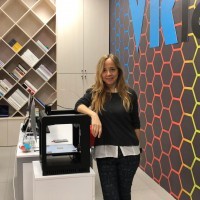
1974 doğumlu Ayten Övür, Marmara Üniversitesi Gazetecilik Bölümü'nden 1997 yılında mezun oldu. Gazeteciliğe Marmara Üniversitesi Haber Ajansı’nda (MİHA) başlayan Övür, 1995-1997 yılları arasında Nokta Dergisinde muhabir olarak çalıştı. Mezuniyetinin ardından 2 yıl ABD’de yaşayan ve University of California Los Angeles’ta (UCLA) Televizyon gazeteciliği eğitimi alan Övür, New York’ta The Resident gazetesinde foto muhabirlik yaptı. 2000-2008 yılları arasında tv8’de internet haber editörü olarak çalışan Övür, bu sırada Marmara Üniversitesi Radyo TV ve Sinema Anabilim Dalı İletişim Bilimleri Bilim Dalı’nda yüksek lisansını ardından da doktorasını tamamladı. 2009’da CNNTürk’te “Mithat Bereket ile +1” programının editörlüğünü yapan Övür, Küba ve Peru’da aldığı İspanyolca eğitimin ardından Doğan Haber Ajansı’nda önce internet editörü sonrasında da dış haberler editörü olarak 8 yıl çalıştı. 2016 yılında akademiye geçen Ayten Övür, Mart 2022’de İletişim Çalışmaları alanında Doçent unvanı almaya hak kazandı. İstanbul Üniversitesi Sosyoloji bölümünde ikinci lisansını tamamlayan Övür, halen İstanbul Aydın Üniversitesi İletişim Fakültesinde dekan yardımcısı ve Televizyon Haberciliği ve Programcılığı Bölüm Başkanı olarak görev yapıyor. Aynı zamanda İstanbul Aydın Üniversitesi Yeni Medya Uygulama ve Araştırma Merkezi Müdürü olan Övür, “Haber Yazma Teknikleri”, “Haber Uygulamaları”, “Ajans Haberciliği”, “İletişim Bilimine Giriş”, “Medya ve Propaganda”, “Sosyal Psikoloji”, “Dijital Kültür”, “Etkileşimli Dijital Anlatı” ve “Nesnelerin İnterneti” gibi lisans ve yüksek lisans düzeyinde uygulamalı ve kuramsal dersler veriyor. Övür’ün ulusal ve uluslararası düzeyde çok sayıda yayını bulunuyor.